The First Phase of the South Maui Community Park and the Kihei Bikeway Celebrate Openings

South Maui Community Park, Bikeway Open

Long-awaited projects make headway. “It has taken a lot of funding… and a lot of patience.”

By: Steve Slater & Debra Lordan
Article from: Maui Weekly

The grand opening of the first phase of the South Maui Community Park was celebrated on Friday, July 29, as well as the opening of the Kīhei Bikeway and maile-cutting ceremony for Kīhei’s first proposed roundabout. The mayor said these projects are the start of others that will create a healthier environment for local families around the county. “This is for our children and our children’s children, those who will eventually shape our future,” he said.

Even under partly cloudy skies, it was still a very bright day for South Maui as Maui County Mayor Alan Arakawa, County Council members, community leaders and a crowd of approximately 100 community members gathered for the grand opening of the first phase of the South Maui Community Park on Friday, July 29. And on the same day, the mayor also became the first to roll out on the new Kīhei Bikeway Project, and cut the maile lei for Kīhei’s first roundabout, which, when completed, will connect to the bike path.
The 44-acre park makai of the Pi‘ilani Highway near Lokelani Intermediate and Kīhei Elementary Schools has been in the planning process for seven years and under construction for the past year-and-a-half.

Speaking for past administrations, Mayor Arakawa said the park was long overdue for the Kīhei community, which began asking for their own park in the late 1980s.

“This has been the work of four administrations now,” said the mayor. “It has taken a lot of funding… and a lot of patience.”

South Maui Community Park will be completed in three phases. The recently completed components of Phase 1 include 20 landscaped acres with a soccer/utility field, baseball field, lighting, restrooms, a 3,000-square-foot playground, concrete benches, a concession stand, picnic tables, grilling pits, access roads and a 113-car parking lot.

According to Maui County Parks and Recreation Deputy Director Patrick Matsui, about $11 million was spent on the initial part of Phase 1, which was constructed by Goodfellow Bros. Inc. The $11 million didn’t include an estimated $200,000 worth of state-of-the-art playground equipment and rubber safety surface, which were donated and installed by Pyramid Project Management, the Grand Wailea and other volunteers. Maui Land & Pine also donated park trees.

Phase 1 will conclude with the construction of a 1,000-seat gymnasium. Superintendent Matsui said the gym will cost about “that much again” to complete the phase. He said they are not sure when funds will be allocated to complete the gymnasium or the final two phases of the park, but added that if the Honua‘ula housing project is built by Wailea 670 Associates in Mākena, the company reportedly will donate $5 million toward the completion of the community park.

Goodfellow Brothers representative Ray Skelton noted that the project was as “green” as possible.

“We recycled the clearing material, using dirt and rock from on site,” said Skelton. “That saved 570 truckloads of fill.” He noted that 25 million gallons of reused water was utilized in building the park. Skelton also said that 75,600 man-hours were needed in the construction, and at its peak, there were 85 employees.

South Maui Councilman Don Couch thanked “everyone who stuck to this,” spotlighting the Kīhei Community Association “for keeping our feet to the fire.”

The 24 acres yet to be developed in Phases 2 and 3 will include more soccer and other playing fields, two more playgrounds, a pavilion, youth center and tennis and basketball courts. Construction is estimated to be completed anywhere between 2015 and 2020.

“As Kīhei grows, its facilities must grow with it,” said the mayor. “We hope children of all ages will enjoy this park for generations to come.”

“Let’s make this the jewel of Kīhei,” said Councilman Couch.

Also on Friday, after cutting the maile lei during a ceremony at the corner of Liloa Drive and Pi‘ikea Avenue, Mayor Arakawa rode a borrowed bicycle over the first 50 yards of the Kīhei Bikeway, “drafted” by a small group of bike riders who also wanted to try out the path spanning a little less than a mile from East Waipuilani Road to East Līpoa Street.

Speaking to the crowd beforehand, the mayor said that this project was the start of others that would create a healthier environment for local families around the county.

A groundbreaking ceremony was also held for the Kīhei Roundabout at the intersection of Liloa Drive and Pi‘ikea Avenue. Work was scheduled to begin on Monday, Aug. 1, and once complete, it will become a part of the bikeway. The roundabout is expected to improve traffic and pedestrian safety in the area.

“Everyone will want one,” said Councilmember Couch. “Go back to your community and say, ‘Where’s ours?’”

The Kīhei Bikeway took about three-and-a-half years to complete at an estimated cost of $2.9 million, which includes nighttime lighting along the path.

The roundabout project is estimated at $1.9 million and will take about 270 days to complete construction.

“This project [the bikeway] took way too long,” said Public Works Director David Goode. “As long as I’m in office, projects will not take this long.”

“Let’s build a healthier Maui,” the mayor commented about the bikeway. “One that we want our children to live in.”

“In the end it has all been worth it,” Mayor Arakawa said about the recently completed projects. “This is for our children and our children’s children, those who will eventually shape our future.”

The bikeway and park are now open. The park’s first official use will occur this month, when a girls’ fast-pitch league will initiate the ball field.
Maui July 2011 Sales Statistics

Maui July 2011 Sales Statistics

Brief Maui Statistics Overview:
July’s Sales Volume – July’s Residential Sales declined to 65 homes sold, while Condo Sales declined to 97 units sold. Land sales came in at 13 lots sold, same as June.

July’s Median SALES prices – Home median prices declined to $410,001, while Condo median prices rose to $325,000. Land median price rose to $400,000.

Days on Market for Residential homes = 144 DOM, Condos = 203 DOM, Land = 242 DOM.
(General DOM Note: this is the average DOM for the properties that SOLD. If predominantly OLD inventory sells, it can move this indicator upward, and vice versa. RAM’s Days on Market are calculated from List Date to Closing Date [not contract date]. As such, it includes approximately 60 days of escrow time.) Also – Short Sales transactions can often take 4-6 months to close thereby extending the
marketplace’s average DOM.

Year to Date: Comparing January-July 2011 to January-July 2010 – Residential unit sales rose (+4%), average sold price = $780,238 (+2%), median price = $441,500 (-6%) and total dollar volume sold = $396,361,086 (+6%). This includes the bump up in sales last year due to 2009-2010 Federal Tax Credit programs and 2011 numbers may catch up as the year progresses. Condo unit sales increased (+1%), average sold price = $510,735 (-30%), median price = $325,000 (-23%). Total Condo dollar volume sold = $379,476,462 (-29%).
Land – NOTE: Land Lot sales are such a small sampling that statistics in this property class are not necessarily reliable indicators. Land lot sales decreased (-5%), average sold price = $620,277 (+18%), median price = $330,000 (-27%), Total dollar volume = $50,862,751 (+13%).
Also, total sales for immediately past 12 months: Residential = 835, Condo = 1,154, Land = 123.

August 7, 2011 – Active/Pending/Contingent status inventory:
Aug. July June May April Mar. Feb. Jan. Dec. Nov. Oct. Sept. Aug.
Homes 871 869 917 935 958 964 953 963 974 976 1,001 981 994
Condos 1,120 1,124 1,159 1,203 1,305 1,331 1,379 1,383 1,371 1,347 1,394 1,455 1,503
Land 531 515 532 547 554 557 566 569 601 596 601 620 604

Current Absorption Rate base on this month’s Active inventory divided by July Sales is:
Residential = 13.4 months, Condo = 11.6 months, Land = 40.8 months.

IN A NUT SHELL…… the good, the bad….. AND THE ROAD AHEAD ……
Strong buyer-showing activity is now evidenced in actual reported sales, with multiple offers competing for wellpriced properties. Inventories have declined 13-20% over the past 12 months. Many short sales and REO (bank owned) properties will need to be absorbed as sales before we can move ahead to a more normal marketplace. Interest Rates are remaining near historic record lows which may help motivate would-be Buyers to go ahead and buy IF they can qualify. Current World and US events will have ripple effects on cost of living, consumer confidence, and our Real Estate Market.
FOR SELLERS: Sellers who don’t really need to sell (just “fishing?”) should stay off the market, and clear the marketplace for those who REALLY have to sell. UNLESS- you are motivated to Upsize, Downsize or Upgrade – While selling now will net less, your next property will cost less. Sharpen your pencil, talk to your CPA and Realtor® to explore the hidden benefits or consequences. Make no assumptions that will sting later.
To be successful, Sellers need to beat competing properties with better property condition, REALISTIC pricing, good marketing, and flexible, creative terms (Seller Second Loan, Agreement of Sale, Lease-with-option-to-buy, and Sale-with-lease-back to seller). Days on Market figures show that properties priced right will sell in a reasonable timeframe. “Priced Right” is still the determining factor. BEST Deals are selling, everything else is getting old. Pro-Active Sellers are getting their properties appraised, inspected and surveyed in advance to encourage knowledgeable offers from realistic Buyers. This can prevent unanticipated escrow fallout or Buyers whittling your
price down during the transaction when previously unknown facts come to light. Unrealistic Sellers continue to be ignored by the market and miss current opportunities that later become woefully apparent. They may even end up in a Short Sale or Foreclosure situation that could have been avoided.

FOR BUYERS: Low interest rates may start to inch up. Buyers should get Pre-Approved so they can shop in confidence (fewer last minute disappointments due to non-funding loans). More “short-sales” and foreclosures are happening in the marketplace, yet they can be less of a bargain than they seem, requiring more hurdles to leap and more time (often 4-6 months) to close, if at all. Be prepared, but BE REALISTIC. Lenders are much more stringent on requirements for loan approval. First-Time Home Buyers – Many programs are available….. Attend a First-Time Home Buyers workshop, get familiar with the process, get qualified/approved, do your homework to get your own home. Many current owners never thought they would be able to own until they attended a workshop, discovered they could own a home, and are glad they did.
This low point in the market is your rare chance, so check it out carefully.
Disclaimer: Zooming in on the figures of a specific geographic area or property type may lead to different conclusions that looking at the overall view. Maui’s market place is much smaller than Oahu’s, and a few high or low sales have a greater effect on the statistical numbers without necessarily indicating a big market swing one way or another.

Statistics and Information Provided by RAM (Realtors Association of Maui)
***For questions or to discuss a specific property or unit please contact The Hansen Ohana at (808)879-3667***

New Listing at Villas at Kehalani

Views, Views, Views

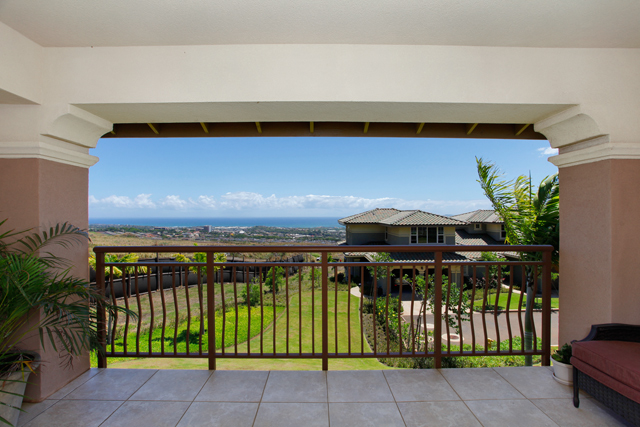
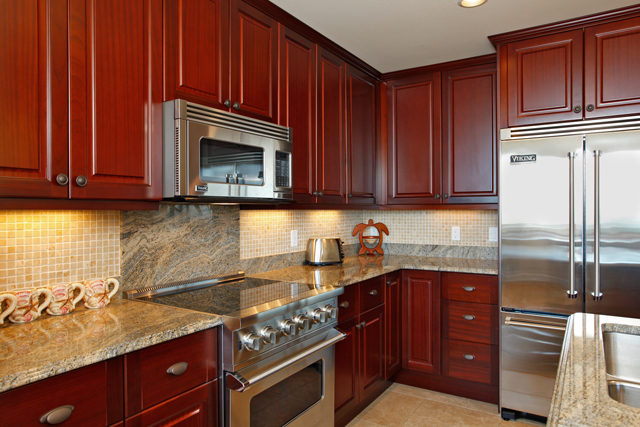
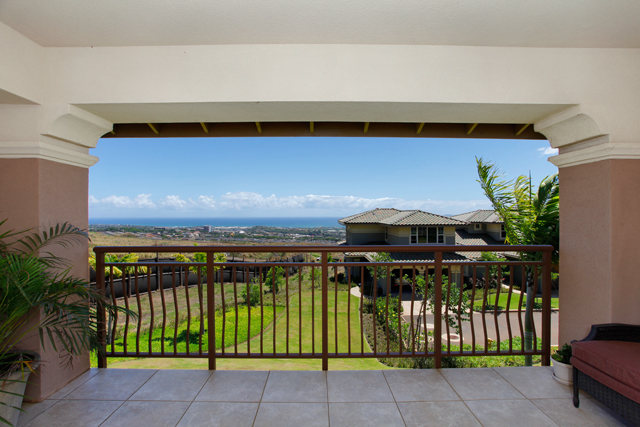
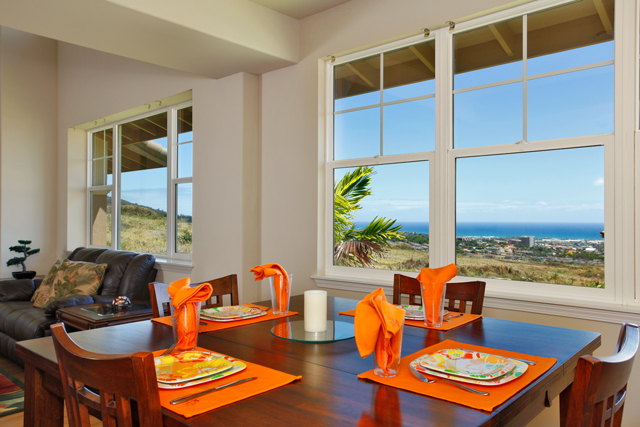
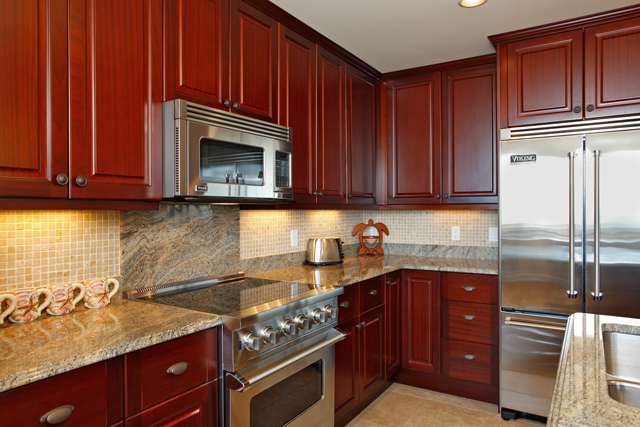
This elegant home is just below Wailuku Heights, breathtaking views and cool mountain breezes are just a few of the fabulous amenities featured in this luxury town home community. The Villas at Kehalani is a 17-acre gated community of stylish town homes located in the Master Planned Community of Kehalani. The #3 floor plan offers stucco exterior, tile roof, Viking appliances, front loading washer and dryer, bamboo flooring, granite counter tops with back splash, vaulted ceilings, and an absolutely peaceful lanai off the master bedroom to have morning coffee. This is the only floor plan with a unique downstairs Master bedroom and covered lanai.Provide your guests with a private and magical upstairs retreat while they visit Maui with unobstructed views of the Kahului Harbor and planes in the distance. Seller will consider all offers. Don’t miss this opportunity!

Call Bob Hansen, BROKER at 808-283-9456 or 808-446-6940 for a showing today!

Interesting News For Some Canadian Smartphone Users Traveling To Maui

New roaming service could reduce ‘statement shock’

By Marc Saltzman | The Right Click
Article from: http://www.yahoo.ca

If you travel outside of Canada with your smartphone you no doubt know it could cost a pretty penny to access email and browse the web.

Problem is, you don’t know how bad it’ll be until you receive your wireless bill.

Rogers this week unveiled a first for Canadian mobile users: real-time usage alerts that tell how much data you’re using while roaming.

Whether it’s purchased before you leave or when you’re in another country, you’ll need a Roaming Data Pass, which starts at $5 per day or $25 per week, to receive text messages to your device when you’ve reached certain data thresholds, such as 50 and 80 percent.

If you reach or exceed your limit on this pass, you’ll also be notified and asked to purchase anther roaming pass or continue at a pay-per-use rate. Here’s a chart that breaks it all down further.

Along with real-time notifications (up to five minutes), Rogers says a Roaming Data Pass also gives you better rates than as a pay-per-use scenario. For example, $5 will get you 2MB of data in the U.S., which is a lot less than the $10.24 per megabyte rate without a plan (down from $30.72/MB previously!). But keep in mind, 2MB is only ideal for, say, light email or web surfing.

Data roaming rates in the U.S. can vary greatly between Canadian providers. Bell Mobility’s data roaming rates south of the border, for example, are $6/MB (or $0.75 cents to $3/MB based on the travel bundle you pick up). Telus says their customers are only charged $3/MB for U.S.-based data roaming, while Mobilicity says their rates are $1.50/MB for pay-per-use.

The Number of Bankruptcy Filings in Hawaii Drops Again in Another Sign that Hawaii's Economic Recovery is Gaining Momentum

Slower bankruptcy pace is bright spot for Hawaii

The number of filings indicates that the isle economy continues to gain momentum

By Alan Yonan Jr.
Article from: Star-Advertiser

The number of Hawaii residents filing for bankruptcy fell in July for the sixth time in the past seven months in another sign that the state’s economic recovery is gathering momentum.

The 268 cases filed in July were 22 percent fewer than in July 2010, according to data released Monday by U.S. Bankruptcy Court. It was the lowest monthly total since January when 245 cases were filed.

Through the first seven months of the year, bankruptcy filings averaged 301 a month, down from the average of 330 a month in 2010 but up from the 258 monthly average in 2009.

Bankruptcy filings, like the unemployment rate, tend to be among the last areas of the economy to show improvement after a downturn. Bankruptcy cases on a seasonally adjusted basis peaked in mid-2010 following the 2008-2009 recession and have been slowly trending downward since then, said Paul Brewbaker, principal of TZ Economics.

“So these data would fall into alignment with other indicators like payroll employment, unemployment rates and monthly tax revenue that suggest Hawaii’s recovery may be slow but it’s somewhere between 1 and 2 years old,” Brewbaker said.

Hawaii’s 6 percent unemployment rate, while among the lowest in the country, has been slow to decline since peaking at 7 percent in the summer of 2009. First time claims for unemployment insurance are averaging about 2,100 per week versus the recent high of 2,500 a month in 2009.

The slow and fragile nature of the recovery might be of concern, but the job growth being experienced by the state is stonger than after the last recession in 2001, Brewbaker said. About 10,000 of 40,000 jobs lost during the latest recession have been restored, putting Hawaii near the top nationally, he said.

“There’s a way to go, but the local economy is on its way; even bankruptcy filings provide evidence of that.”

Honolulu-based bankruptcy attorney Ed Magauran said he’s noticed a slight decrease in bankruptcy filings this year, but added business is still brisk at his downtown office.

“There are still 200 plus cases a month (statewide). That’s not going to change. We may go down a little bit, but there are still all kinds of people who are hurting,” Magauran said.

Many people he sees have put off filing for a variety of reasons but eventually run out of options, Magauran said.

“The stigma has kind of gone away, but not really. Nobody in their right mind wants to file for bankruptcy, but for the person who needs it, the bankruptcy code is a true blessing.”

The bulk of the filings in July — 221 cases — were filed under Chapter 7 of the federal bankruptcy code, which calls for liquidation of a debtor’s assets.

Filings fell in all counties, led by a 38 percent drop to 35 cases in Hawaii County. Filings fell by 22 percent to 168 cases in Honolulu County, by 14 percent to 19 cases in Kauai County and by 13 percent to 46 cases in Maui County.